What 'Authentic' Actually Means
"Authenticity in cultural contexts refers to practices, places, or experiences that exist independent of outside observation - things that would happen whether or not visitors were present to witness them."
The word 'authentic' appears everywhere in travel and culture, yet its meaning has become so diluted that it often signals the opposite of what it claims. This entry unpacks the term's origins, its misuse, and what genuine authenticity might actually look like.

Michael Kovnick
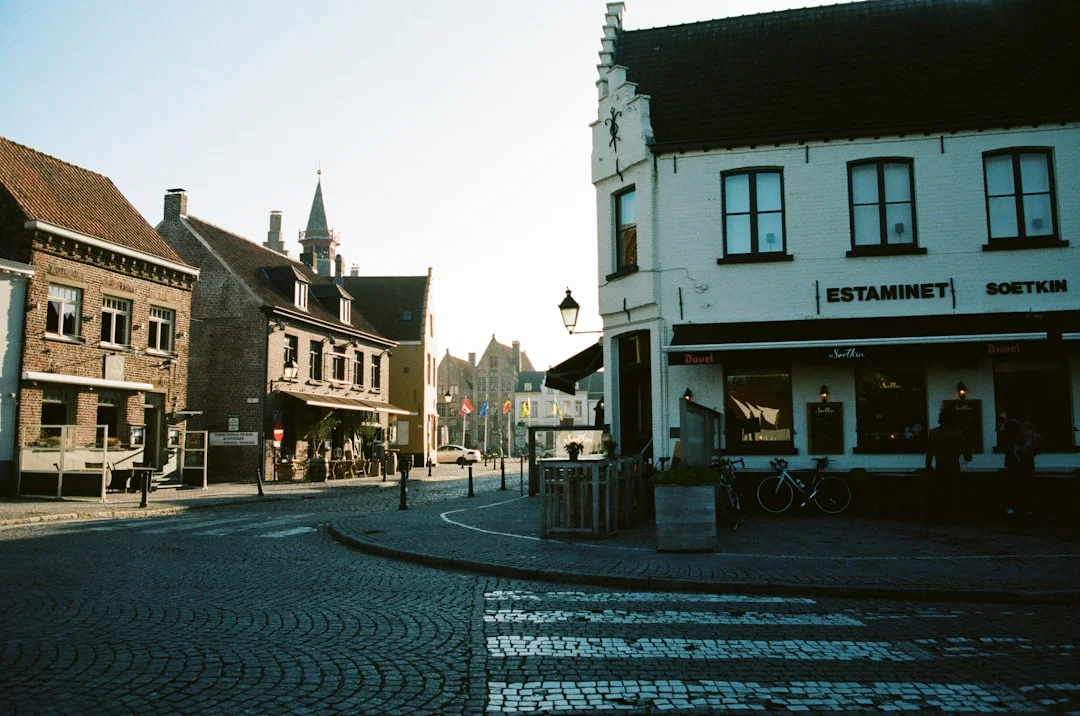
Few words in cultural discourse have been stretched as thin as “authentic.” Travel brochures promise authentic experiences. Restaurants advertise authentic cuisine. Tour operators guarantee authentic encounters with local life. The word appears so frequently, and with such little precision, that encountering it now signals almost nothing - or worse, suggests the opposite of what it claims.
This matters because authenticity, properly understood, points to something real and important. It distinguishes between experiences that connect us to how people actually live and those that merely perform a version of that life for our consumption. The problem isn’t that authenticity doesn’t exist. The problem is that we’ve buried the concept under so much marketing language that we can no longer see it clearly.
The Original Meaning
The word “authentic” comes from the Greek authentikos, meaning “original” or “genuine.” In its earliest uses, it described documents and artifacts - an authentic letter was one actually written by its claimed author, not a forgery. The term carried legal and scholarly weight. To call something authentic was to make a claim about its origins and integrity.
This meaning persists in some contexts. Museums still authenticate objects. Historians authenticate sources. In these settings, authenticity remains a precise term with real consequences. A painting attributed to Vermeer matters enormously whether it’s authentic or not.
The trouble began when the term migrated from objects to experiences. An authentic painting is one that Vermeer actually painted. But what makes an experience authentic? Here the concept becomes slippery, and marketers discovered they could apply the word liberally without anyone being able to prove them wrong.
How the Word Lost Its Meaning
Consider how “authentic” functions in travel marketing today. A hotel might describe its restaurant as offering authentic local cuisine. What does this claim mean? That the recipes match some historical standard? That local people cook the food? That local people would eat the food? That the ingredients come from nearby? The word promises something without specifying what.
This vagueness serves a commercial purpose. “Authentic” sounds good. It suggests depth, genuineness, and connection. It implies that other options are fake, staged, or superficial. But because the claim is never defined, it can never be challenged. The restaurant can serve pasta to tourists in Rome, call it authentic Italian cuisine, and technically not be lying - even if no Roman would recognize the dish or set foot in the establishment.
The same pattern repeats across the travel industry. Authentic village tours. Authentic cooking classes. Authentic cultural performances. Each use of the word moves further from any testable meaning. Eventually, “authentic” becomes a pure marketing term, signifying only that someone wants you to buy something.
Staged Authenticity
Sociologist Dean MacCannell introduced the concept of “staged authenticity” in the 1970s to describe a specific phenomenon in tourism. He observed that tourists often seek genuine experiences of local life, but what they actually encounter are performances designed for their consumption.
A village might welcome tour groups with a traditional dance. Locals wear ceremonial clothing. The dance has historical roots. Nothing is technically fake. Yet the performance exists because tourists are there to watch it. Without tourism, the dance might happen only at weddings or festivals, if at all. The tourists see something real enough, but they’re watching a show - a show that exists precisely because they’re watching.
MacCannell’s insight was that tourists rarely realize they’re seeing a stage. The performance is presented as everyday life. The host says, “This is how we celebrate.” The tourist believes they’ve witnessed something genuine. Both parties maintain the fiction, often unconsciously. The tourist gets the authentic experience they sought. The host gets paid. Everyone’s happy, except that the encounter was structured entirely around the tourist’s presence.
This isn’t necessarily bad. People deserve to make a living, and cultural performances can have real value for both performers and audiences. The problem is the false packaging. When staged experiences are marketed as glimpses into “real” local life, they create confusion about what authentic actually means. Visitors lose the ability to distinguish between life as lived and life as performed.
Erving Goffman’s Front Stage and Back Stage
Sociologist Erving Goffman offered another useful framework. He described social life as a kind of theater, with front stage and back stage areas. The front stage is where we perform for audiences - where we manage impressions and present ourselves in calculated ways. The back stage is where we relax, drop the performance, and behave as we actually are when no one important is watching.
In tourism contexts, visitors almost always encounter front stage behavior. The hotel staff smiles. The tour guide tells rehearsed stories. The shop owner is friendly and helpful. This isn’t dishonest - it’s simply how people behave in professional contexts. No one expects hotel staff to share their genuine opinions about guests.
The search for authenticity, then, is often a search for back stage access. Travelers want to see how people really live when they’re not performing for visitors. They want the conversations locals have among themselves, not the explanations offered to outsiders. They want the meal the family eats at home, not the version adapted for foreign palates.
The challenge is that back stage access is, by definition, rare. If you’re watching, people know they’re being watched, and their behavior shifts accordingly. The grandmother who cooks traditional recipes for her family cooks differently when a tourist is observing. Not necessarily worse, but differently. The camera changes the behavior.
Some tourists try to overcome this through longer stays, language learning, or building genuine relationships with locals. These approaches can work. If you stay somewhere long enough, people eventually stop performing for you. But most tourism doesn’t allow for this. A week in a place, following an itinerary, visiting recommended spots - this keeps you firmly on the front stage, no matter how authentic the marketing claims.
What Authentic Might Actually Mean
Given all this confusion, is there anything useful left in the concept of authenticity? I think there is, but we need to be more precise about what we’re looking for.
Here’s a working definition: something is authentic when it exists independent of outside observation. An authentic cultural practice is one that would continue whether or not tourists came to see it. An authentic market is one where locals actually shop. An authentic festival is one that the community celebrates for their own reasons, not to attract visitors.
This definition has several advantages. First, it’s testable. You can ask: would this exist if tourists disappeared? If the answer is yes, you’re looking at something authentic. If the answer is no - if the thing exists primarily because tourists come to see it - then it’s a performance, however well-intentioned.
Second, this definition accommodates change. Authentic doesn’t mean frozen in the past. A community’s authentic cultural life includes their current practices, which evolve over time. The way people eat today is as authentic as how they ate a century ago - more so, actually, since it reflects their current choices rather than historical reconstructions.
Third, this definition is honest about tourism’s impact. The moment tourists start visiting a place in significant numbers, some things become less authentic by this standard. The restaurant that adapts its menu for foreign visitors. The craftsperson who shifts production toward souvenirs. The festival that adjusts its timing or format to accommodate tour groups. None of these changes are necessarily bad, but they do represent a shift from independent practice to tourist-oriented performance.
The Authenticity Paradox
This leads to an uncomfortable truth: the search for authenticity often destroys the thing being sought. When a village becomes known for its authentic local life, tourists arrive to experience it. Their presence changes the village. Shops open to serve them. Performances are organized for them. Young people learn that tourism pays better than traditional work. The village adapts, and in adapting, becomes less of what originally attracted visitors.
This isn’t the villagers’ fault. They’re responding rationally to economic opportunities. And visitors rarely intend to cause harm - they’re just curious, just want to learn, just want to see how people really live. But the aggregate effect of many curious visitors is transformation. The back stage becomes front stage. The private becomes public. The genuine becomes performed.
Some places manage this tension better than others. Communities that maintain strict limits on visitor numbers. Destinations that preserve spaces where tourists simply aren’t allowed. Cultures that share some aspects of their lives with visitors while keeping others private. These approaches can work, but they require conscious effort and often sacrifice tourism revenue.
The paradox doesn’t mean we should never visit anywhere. But it does mean we should be honest about what we’re doing. The search for authentic experiences is, at some level, a self-defeating project. The more we look, the less there is to find.
When Authentic Actually Applies
Despite these challenges, authentic experiences remain possible. They just look different from what marketing promises.
The bar where you’re the only tourist, where conversation stops briefly when you enter, where the menu is handwritten and unchanged for years - this might be authentic. Not because anyone planned it that way, but because the place exists for its regulars, and you’ve stumbled into their space.
The morning market where vendors shout prices in the local language, where locals fill baskets with ingredients for the day’s meals, where you’re more obstacle than customer - this is authentic. The market doesn’t exist for you. It exists because people need to eat, and this is where they buy food.
The holiday that the town celebrates with private rituals before any public displays, where families gather in ways that have nothing to do with cameras or schedules, where you’re welcome if you happen to be there but certainly not expected - this is authentic. The celebration would proceed identically if no visitors came.
The common thread is that these experiences aren’t designed for you. They don’t accommodate your schedule, your dietary restrictions, or your desire for explanation. They simply exist, and you’re allowed to observe. This can feel uncomfortable - you’re not the center of attention, nobody’s ensuring you understand what’s happening, the experience hasn’t been optimized for your satisfaction. But that discomfort is itself a mark of authenticity. When everything is arranged for your convenience, someone has arranged it.
The Problem with Seeking Authenticity
There’s a deeper issue worth examining. Why do travelers seek authentic experiences in the first place? What are they actually looking for?
Often, the search for authenticity reflects dissatisfaction with tourists’ own cultures. Modern life feels artificial, commodified, disconnected from tradition. So people travel, hoping to find what they’ve lost at home - communities that still know their neighbors, meals that still take time, rhythms of life that technology hasn’t flattened.
This search can lead to genuine insight. Experiencing how others live can clarify what you value, what you’re missing, what you might want to change about your own life. But it can also become a kind of consumption. Using other people’s cultures as an antidote to your own emptiness. Collecting authentic experiences like trophies. Moving on once the authenticity has been absorbed and photographed.
The most honest approach may be to admit that you’re looking for something you can’t entirely have. You want to see how people really live, but your presence changes how they live. You want genuine connection, but you’re passing through. You want understanding, but you lack the language, the history, the years of shared experience that would make understanding possible.
This doesn’t mean you shouldn’t travel or shouldn’t be curious. It means holding your expectations more loosely. The glimpses you catch are real but partial. The connections you make are genuine but brief. The understanding you develop is better than ignorance but far from complete. Authenticity, in the full sense, may simply be unavailable to visitors - not because hosts are deceptive, but because genuine knowledge of a culture requires the kind of immersion that travel rarely allows.
Beyond the Word
Perhaps the best approach is to stop using “authentic” altogether, at least in its current debased form. The word has become too contaminated to communicate clearly. When everyone claims authenticity, the claim means nothing.
Instead, we might use more precise language. Is this place used by locals or designed for tourists? Does this practice continue independent of outside attention or does it exist primarily for visitors? Has this tradition evolved naturally or been preserved artificially? These questions admit nuance. A place can serve both locals and tourists. A practice can be partly independent and partly performed. A tradition can be both preserved and living.
The goal isn’t to sort everything into authentic and inauthentic bins. The goal is to understand what we’re actually encountering. A well-staged cultural show might offer genuine insight into historical practices, even if it’s obviously a performance. A busy tourist restaurant might serve genuinely good local food, even if locals rarely eat there. The labels matter less than honest understanding.
When someone tells you an experience is authentic, the right response is to ask questions. Authentic in what sense? Compared to what? According to whom? The answers might reveal genuine value, or they might reveal marketing. Either way, you’ll know more than the label alone could tell you.
Living with Uncertainty
Authenticity, properly understood, points to something important: the difference between genuine life as lived and performances staged for observers. This distinction matters. But the word itself has been stretched so far that it no longer reliably indicates anything.
The practical solution is skepticism combined with curiosity. Be skeptical of claims - especially marketing claims - about authentic experiences. Assume that anything designed and packaged for visitors has been shaped by tourism, whatever its historical roots. But remain curious about what lies beneath the performance. Some performers genuinely love their craft. Some tourist destinations genuinely reflect local culture, even if adapted for visitors. Some authentic experiences remain available, hidden in plain sight, for those patient enough to find them.
What you probably won’t find is what marketing promises: easy, comfortable, fully explained encounters with how people really live. Genuine authenticity, by its nature, isn’t optimized for your satisfaction. It simply exists, and you’re lucky if you glimpse it at all.
Key Terms
- Staged authenticity
- Cultural performances or displays created specifically for visitors, which may or may not reflect actual local practices.
- Front stage / back stage
- Sociologist Erving Goffman's concept distinguishing between performances for audiences and genuine private behavior.
- Commodification
- The process of turning cultural practices into products for sale, often changing their form and meaning.
- Living culture
- Traditions and practices that continue to evolve because they serve ongoing community purposes, not preservation for its own sake.